
Advice for writers
Writing Tips from John Acree
What three decades of storytelling — across law, journalism, and a life on the road — taught me about the craft.
People often ask how I got started, and what advice I'd give a writer at the beginning of their journey. Here's what I've learned.
The Martian
Before I was a novelist, I was an attorney, a journalist, and a storm chaser. Every one of those lives fed the page. The courtroom taught me structure and stakes. Journalism taught me to observe and to cut. Chasing storms taught me that the most powerful stories sit right at the edge of danger and awe. You don’t have to invent experience — you have to pay attention to the one you already have.
Read widely, and read across genres


Find the question at the heart of your story
The stories worth writing usually begin with a question you can’t stop turning over — about faith, courage, loss, or what a person is willing to risk. When you write toward a genuine question instead of a tidy answer, the reader feels it. They come along because they’re wondering too.
Discipline beats inspiration
Inspiration is unreliable; showing up isn’t. A single page a day is a finished manuscript in a year. Keep a notebook within reach — ideas arrive at inconvenient moments, and the ones you don’t write down are the ones you lose.
- Set a small, non-negotiable daily target — even a paragraph counts.
- Protect the same window each day so the habit does the work for you.
- Finish the draft before you judge it. Editing a bad page is easy; editing a blank one is impossible.
Revise like a journalist, argue like a lawyer
My first drafts are always too long. The second pass is where the book is really written — cutting what doesn’t earn its place, sharpening every scene until it carries weight. Ask of each chapter what a good attorney asks of every point: does this move the case forward? If it doesn’t, it goes.
Let your convictions show — without preaching
My work is grounded in faith, hope, and the belief that light can be found in dark places. But a story doesn’t move people by lecturing them; it moves them by making them feel. Trust your themes to surface through character and choice. The reader will find the meaning if you let the story carry it.
Don't give up
Every writer walks through long, discouraging stretches. Keep going anyway. The difference between a finished book and an abandoned one is rarely talent — it’s persistence.
Read a free chapter
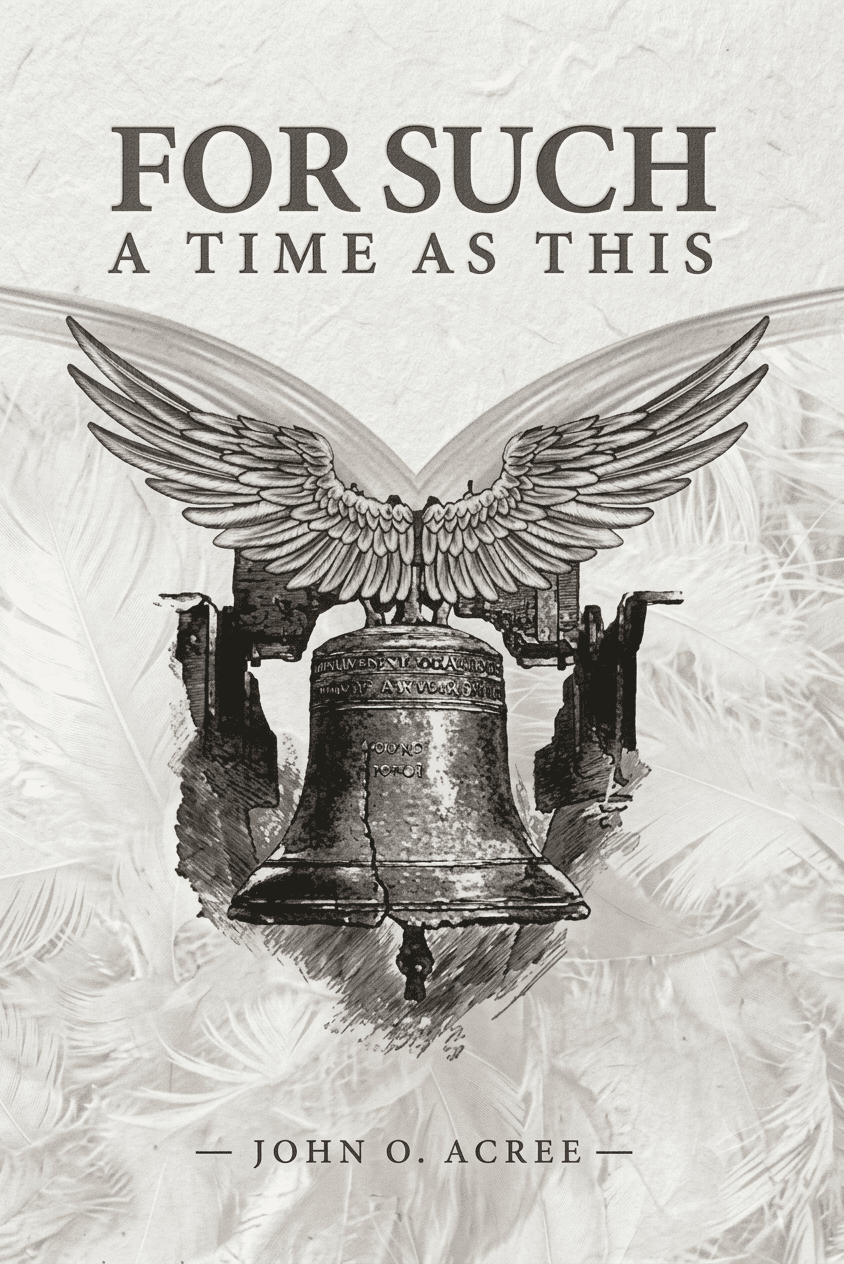
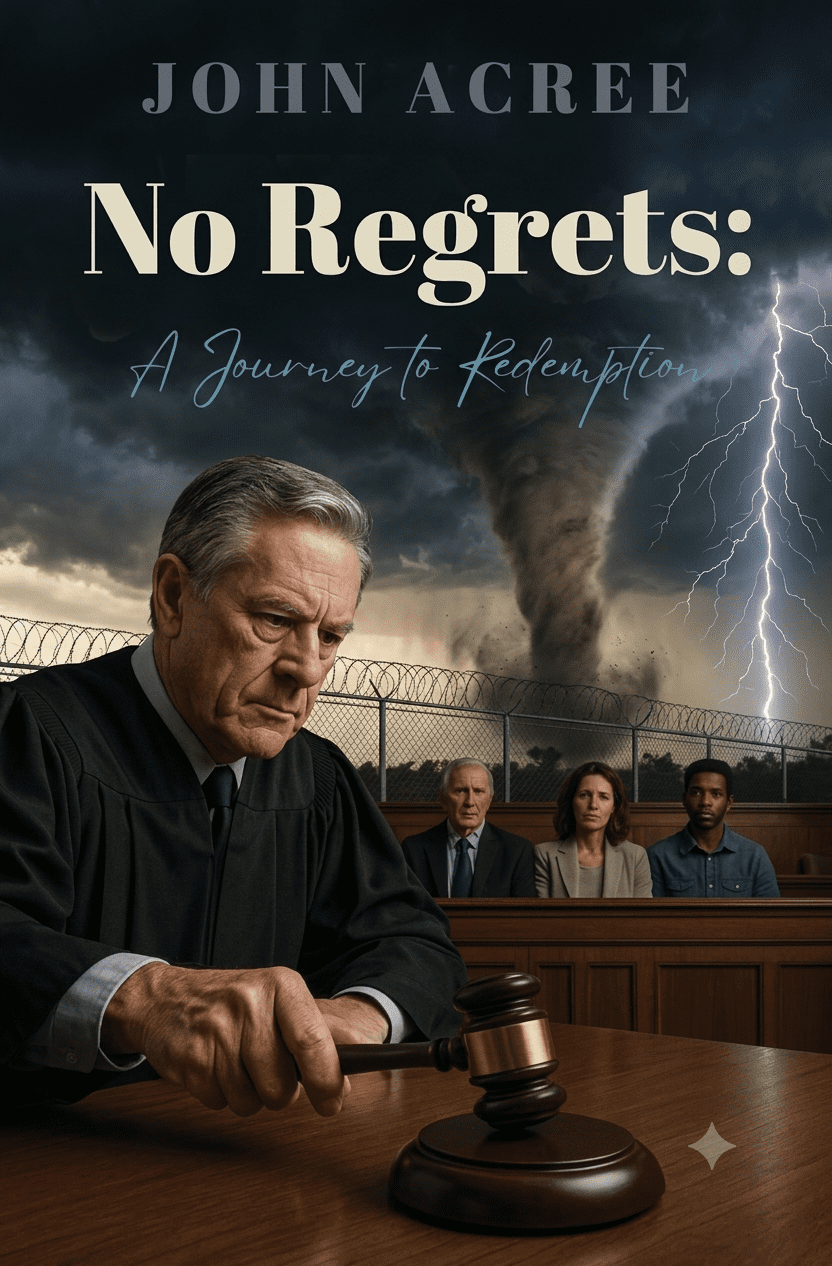
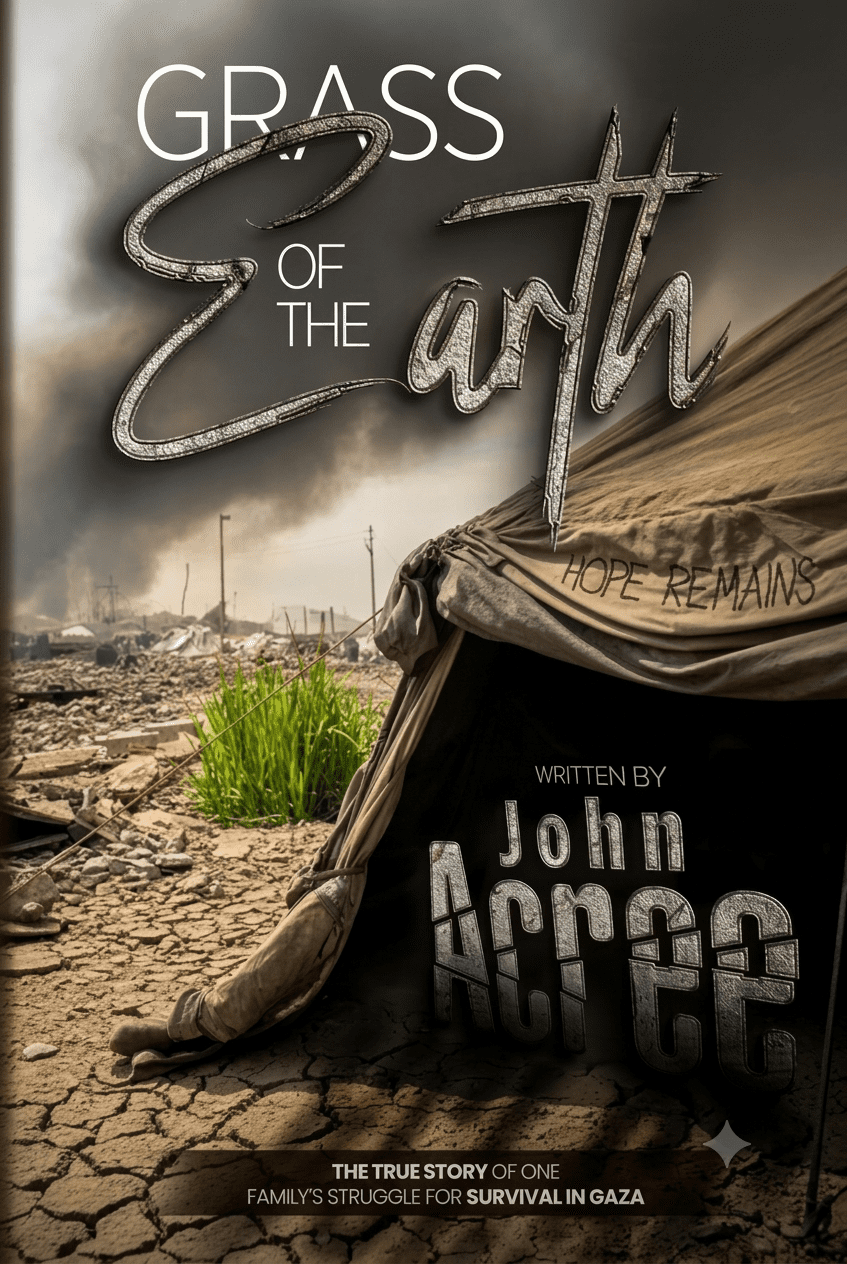
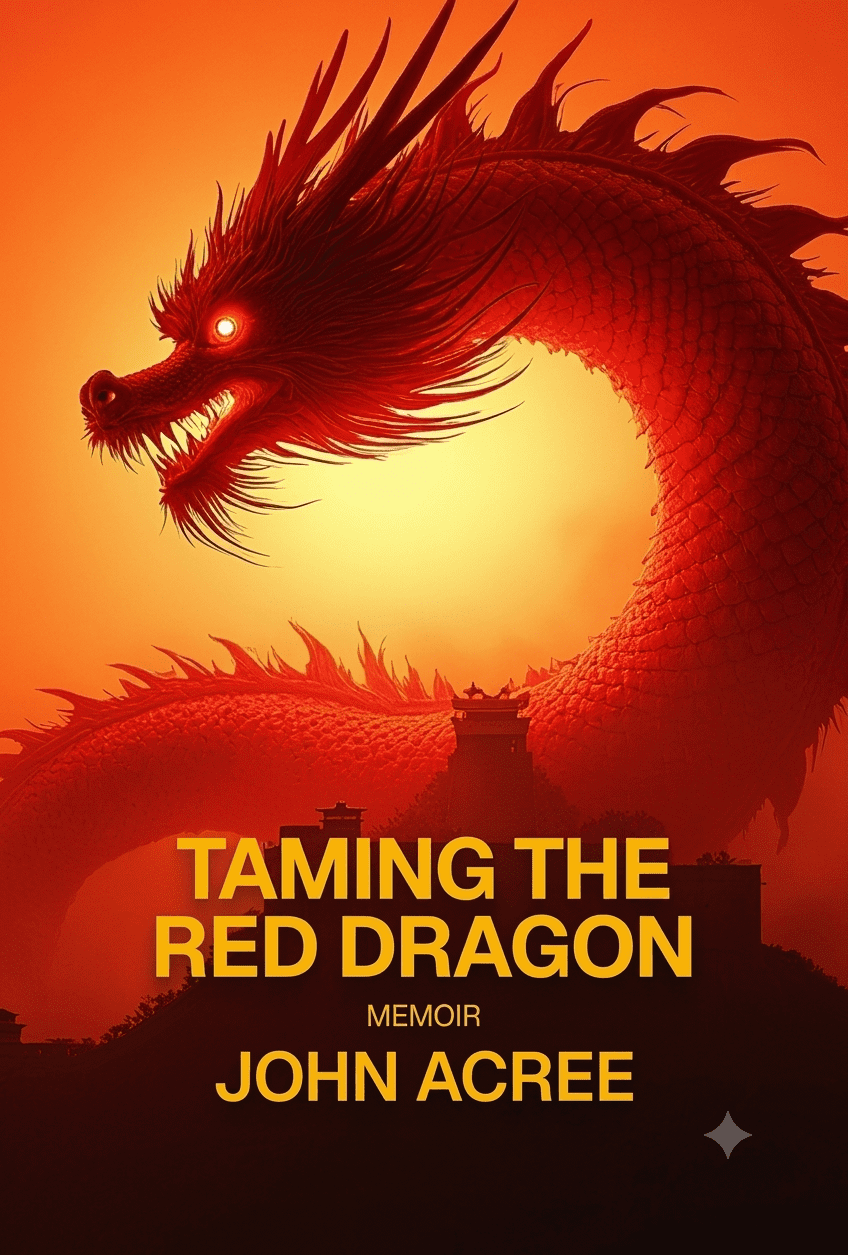
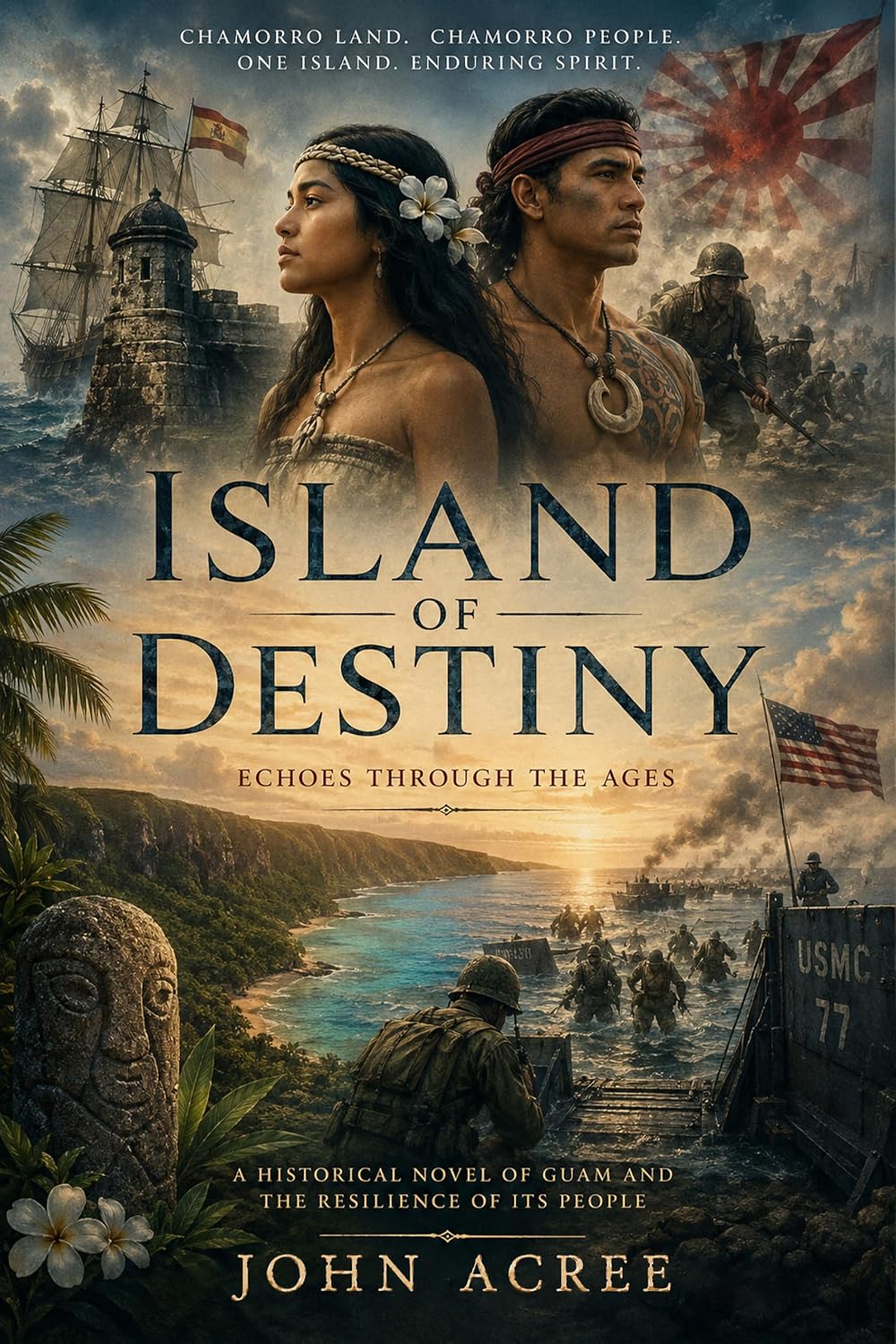
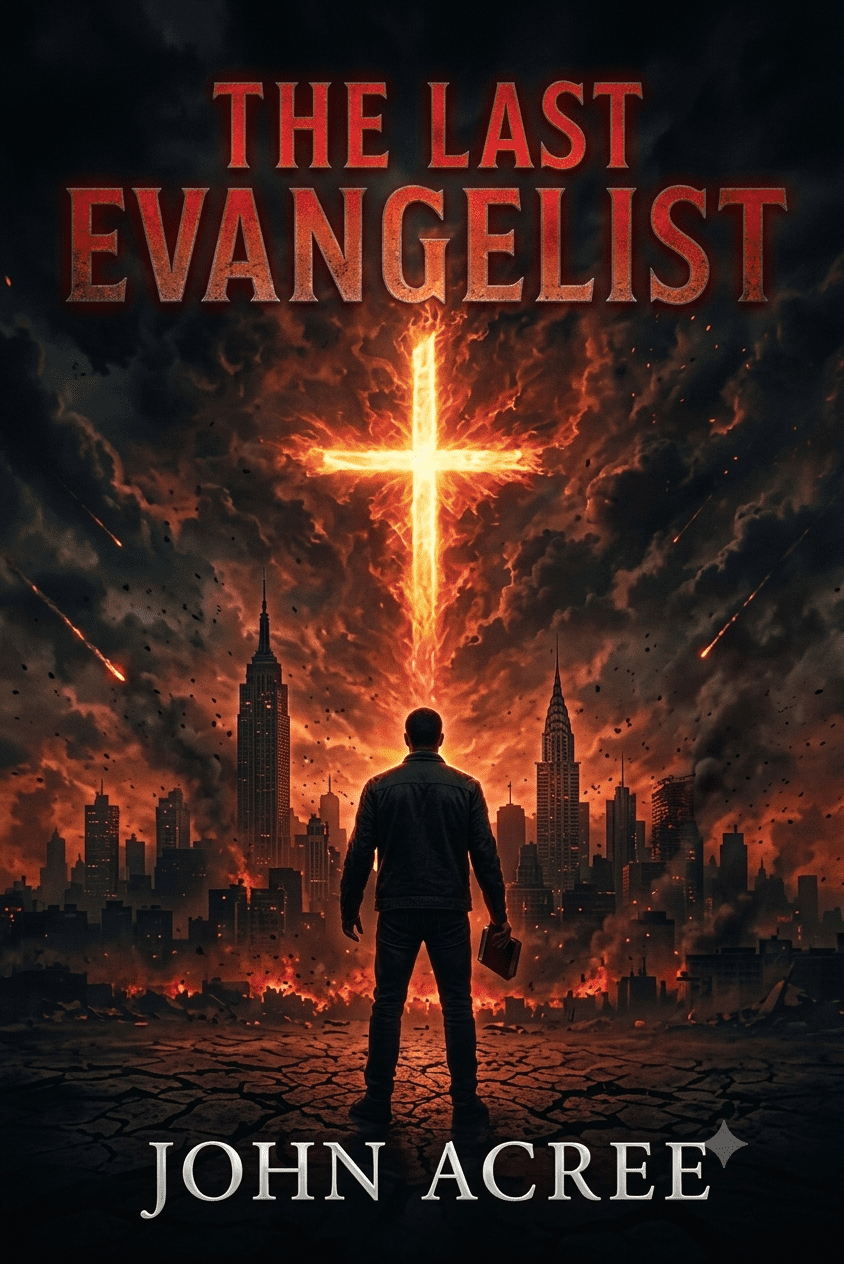
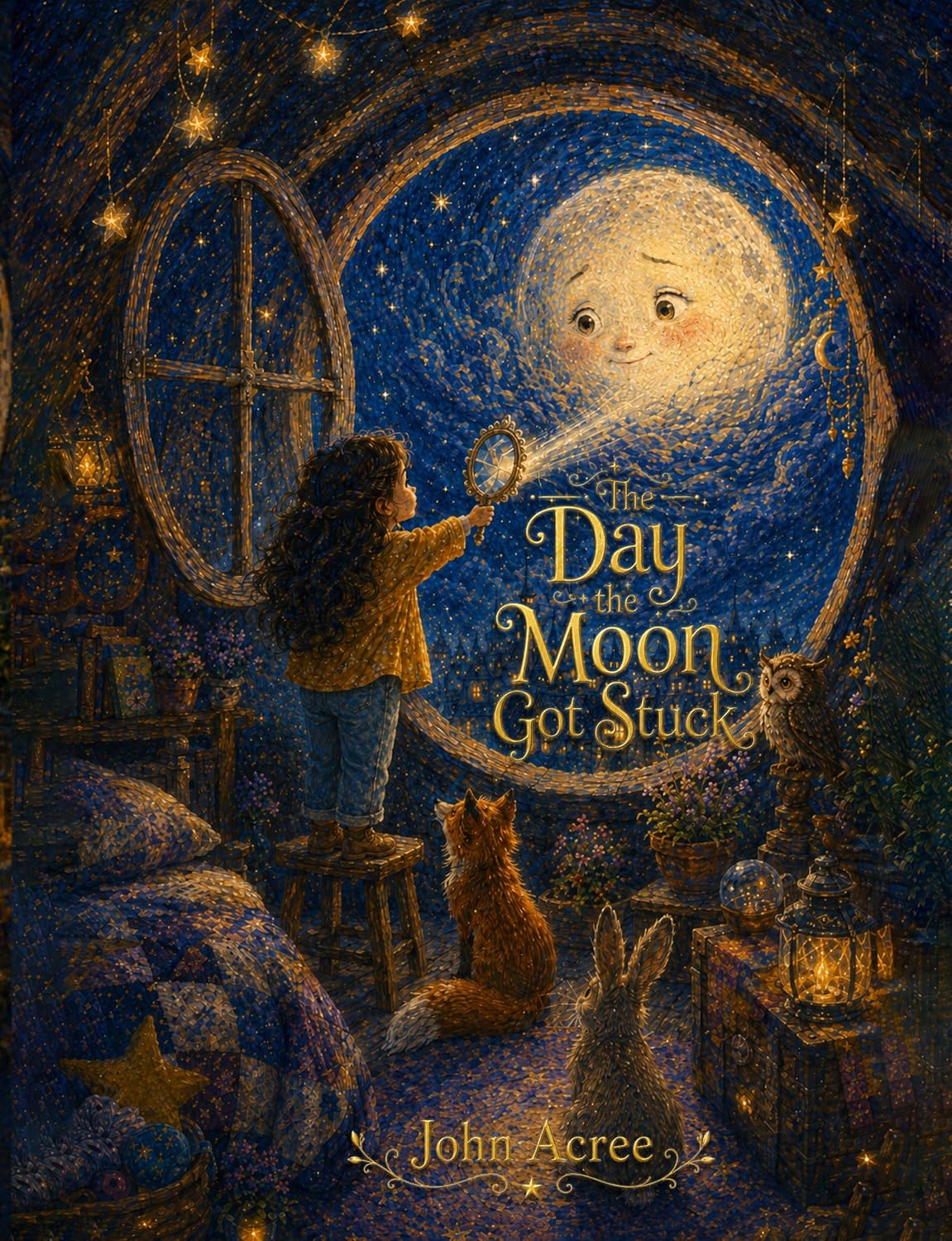
If you’d like to see these ideas on the page, start with a free chapter from one of my books.
John Acree · Writing Tips | Replace this footer with your site’s standard footer/navigation before publishing.