History tends to spotlight kings, generals, and politicians. However, ordinary people shape most of the world—farmers, teachers, refugees, children, laborers, and parents trying to survive one more day.
These individuals serve as the quiet backbone of every civilization, yet society often overlooks them. When I write, I naturally gravitate toward their stories.
Lessons from the Classroom
During my time teaching in China, students frequently asked about life in America. They imagined every street filled with celebrities and skyscrapers. Instead, I described factory workers in Ohio, single mothers juggling two jobs, and families stretching every paycheck.
Those real stories fascinated them far more than Hollywood glamour ever could. Later, when I began writing seriously, I kept returning to similar lives:
- Standing Bear
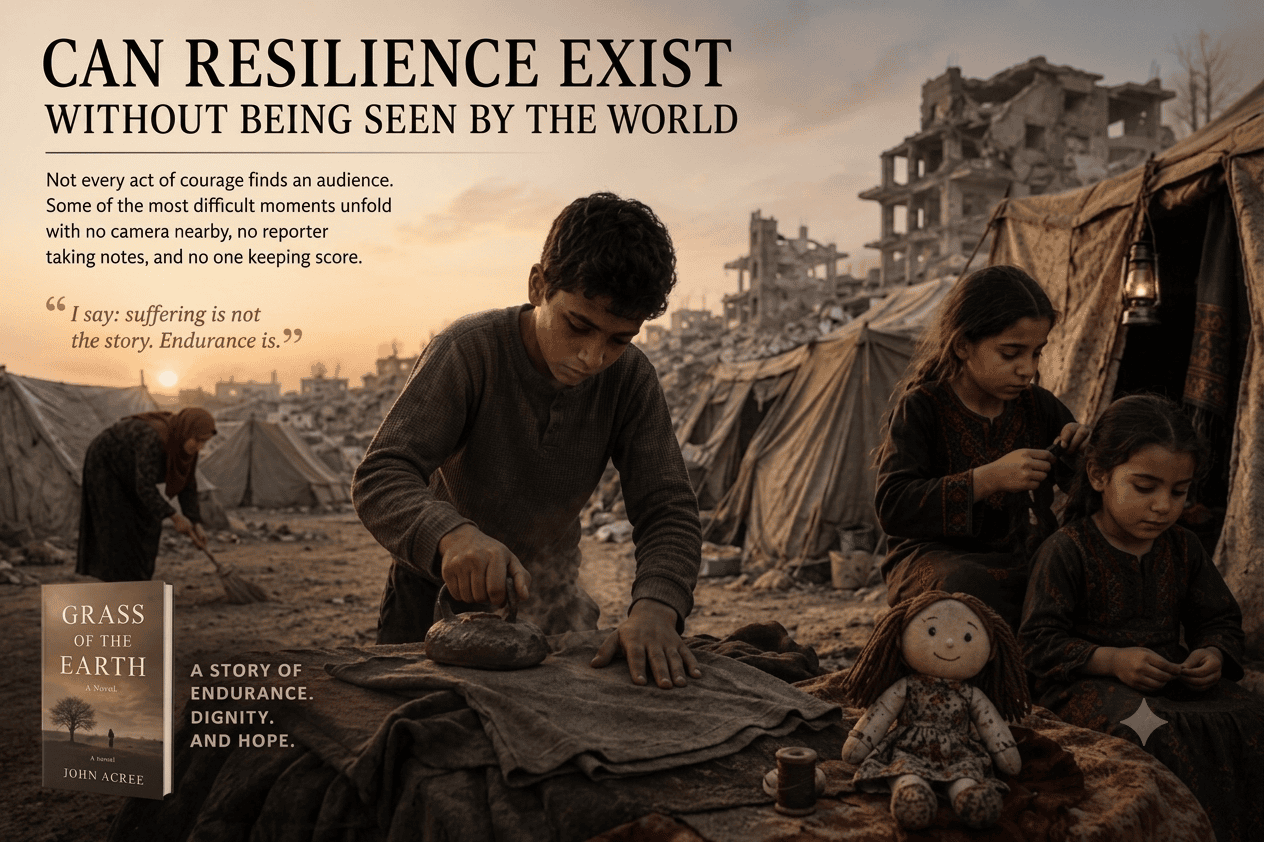
- Moaz and his family in Gaza
- A teacher struggling across language barriers
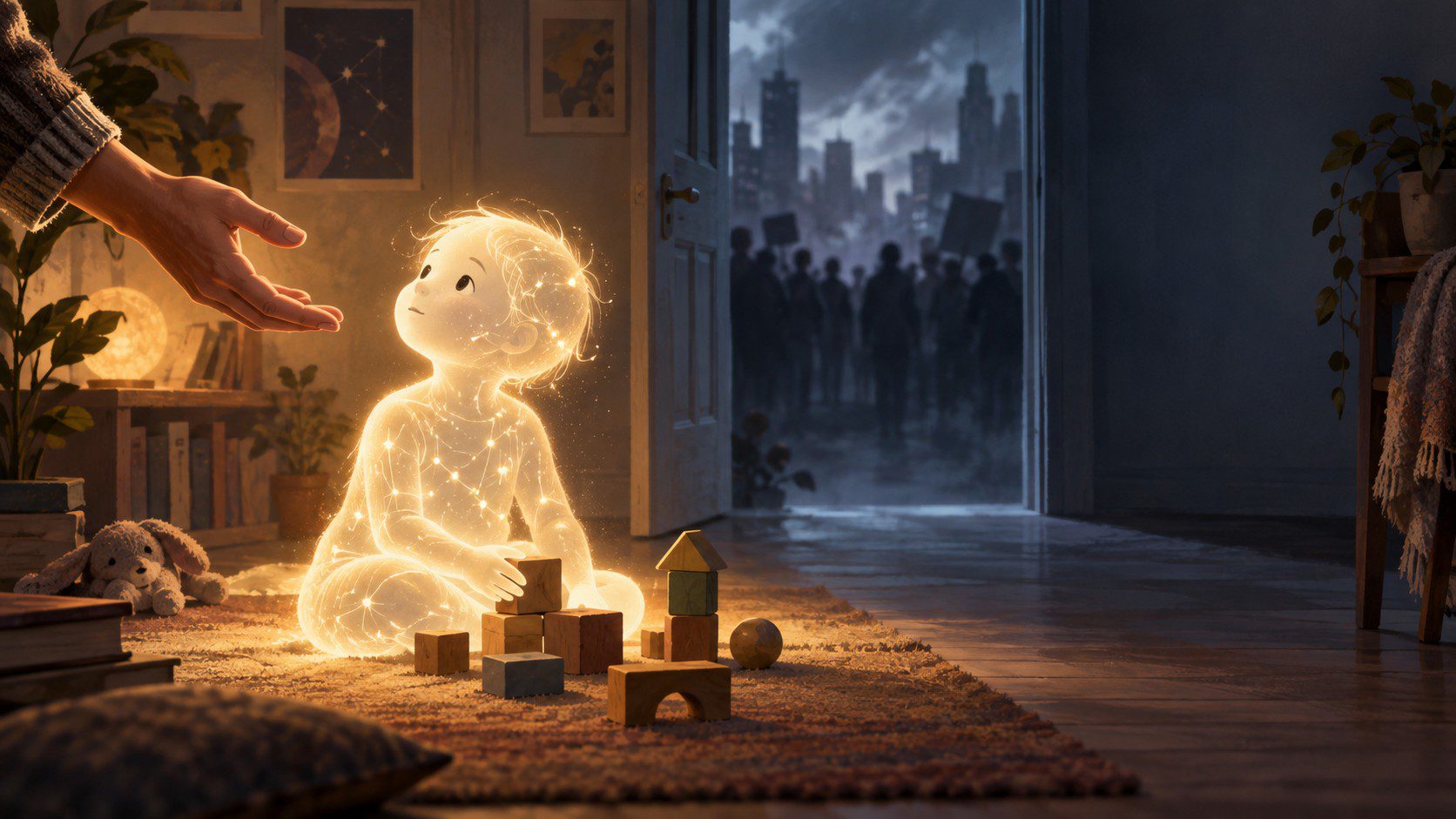
- A child learning to hope in a broken world
History rarely rushes to celebrate these individuals; nevertheless, they teach us true courage.
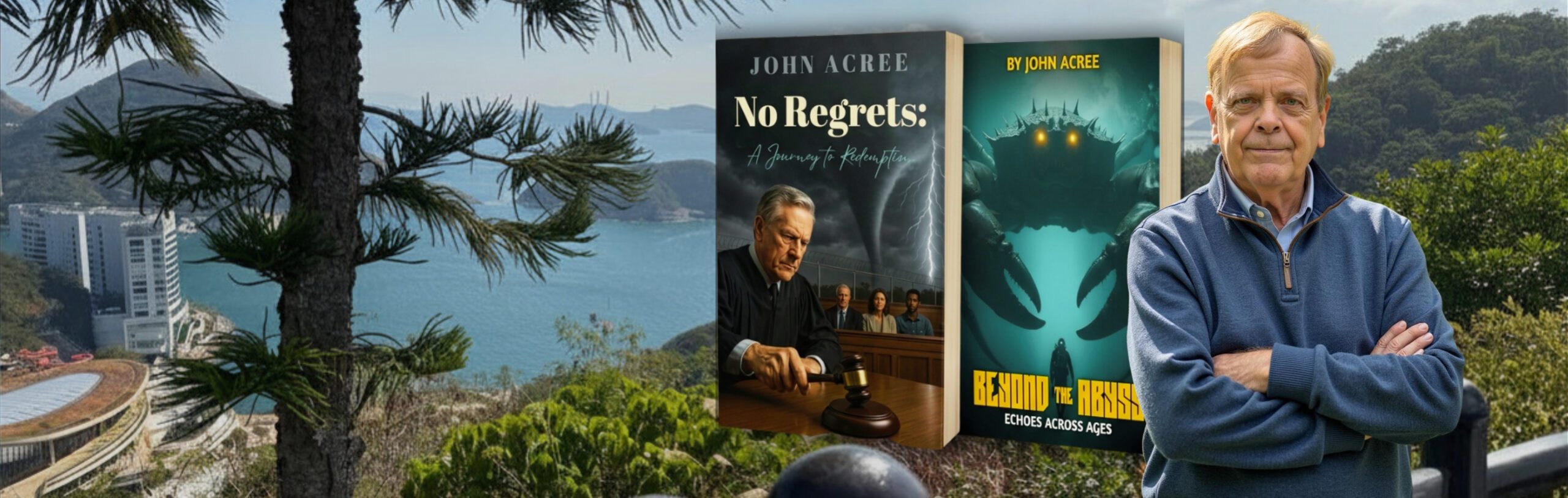
John Acree is an award-winning novelist, veteran journalist, and world traveler whose writing bridges suspense, historical truth, and deep spiritual questions.
Small Acts of Endurance
Forgotten people do not live in dramatic speeches. Rather, they endure through small, stubborn acts. We see this courage in a father who skips meals so his children can eat, a student who studies by candlelight, or a mother who carries her child across rubble when no ambulance arrives.
Sacred strength exists in those moments.
When writing Grass of the Earth, I focused on a family rather than politics. I wanted to capture their fear, exhaustion, and determination to remain human under extraordinary hardship.
Similarly, when writing Taming the Red Dragon, I set aside governments and news headlines. Instead, I focused on students falling asleep at their desks after studying until midnight, shop owners offering hot tea, and elderly women dancing in public parks.

Why Visibility Matters in Literature
These quiet stories whisper rather than shout, yet listening to them changes us.
Literature exists not merely to entertain, but to restore visibility to lives blurred by distance, language, and indifference. When readers recognize themselves in someone far away, borders soften, fear weakens, and empathy grows.
Ultimately, I write about forgotten people because their stories are not small—they are everything.
Explore the Books
If you are interested in stories that shine a light on overlooked lives, you can explore my books at JohnAcreeBooks.com.