Most people make hundreds of decisions each day without giving them much thought.
What to eat, where to go, or when to rest are choices that often feel ordinary.
But when food disappears, clean water becomes difficult to find, and danger never feels far away, even the smallest decision carries enormous weight.
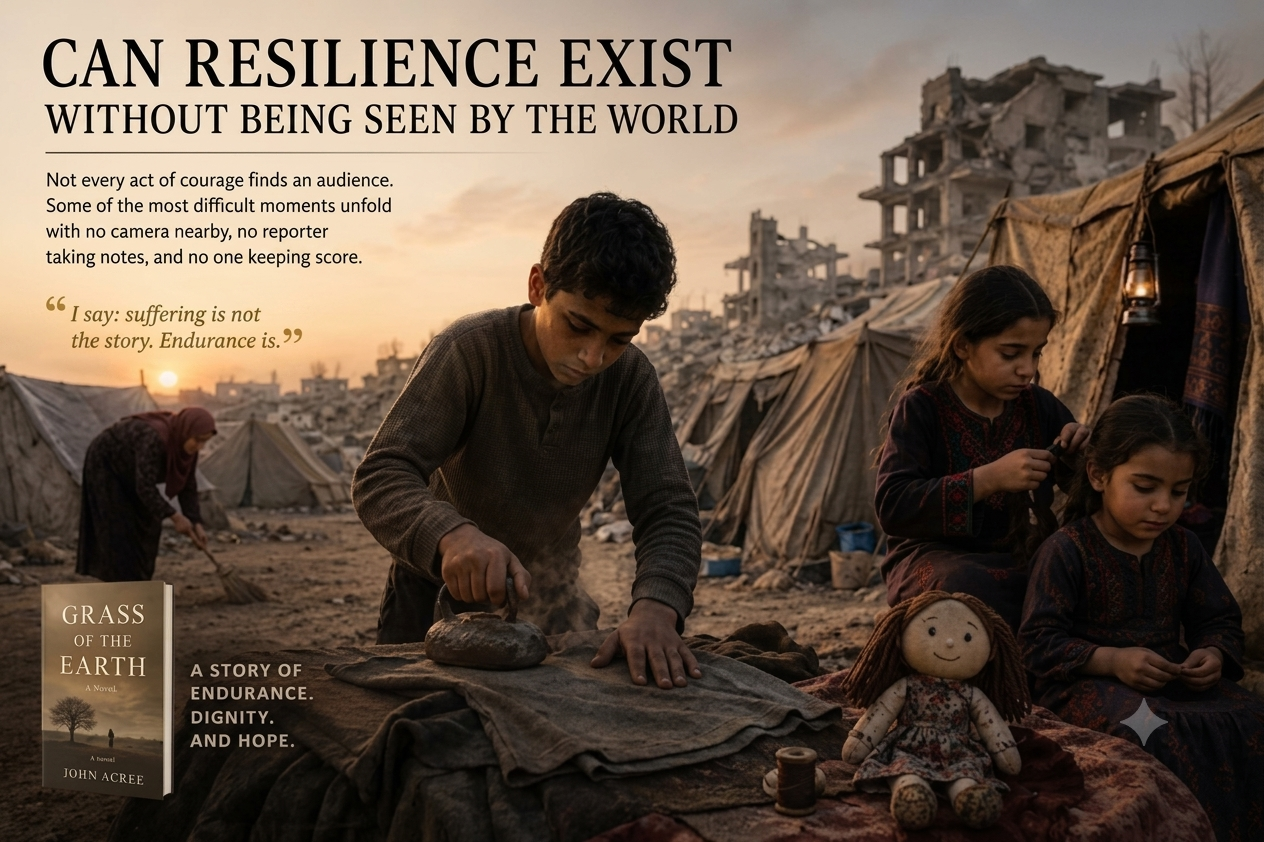
This reality lies at the center of Grass of the Earth. Through the experiences of one family, the book shows how survival in Gaza is no longer about planning for the future. It becomes about making it through today while holding on to hope for tomorrow.
How Does Scarcity Change Everyday Decisions
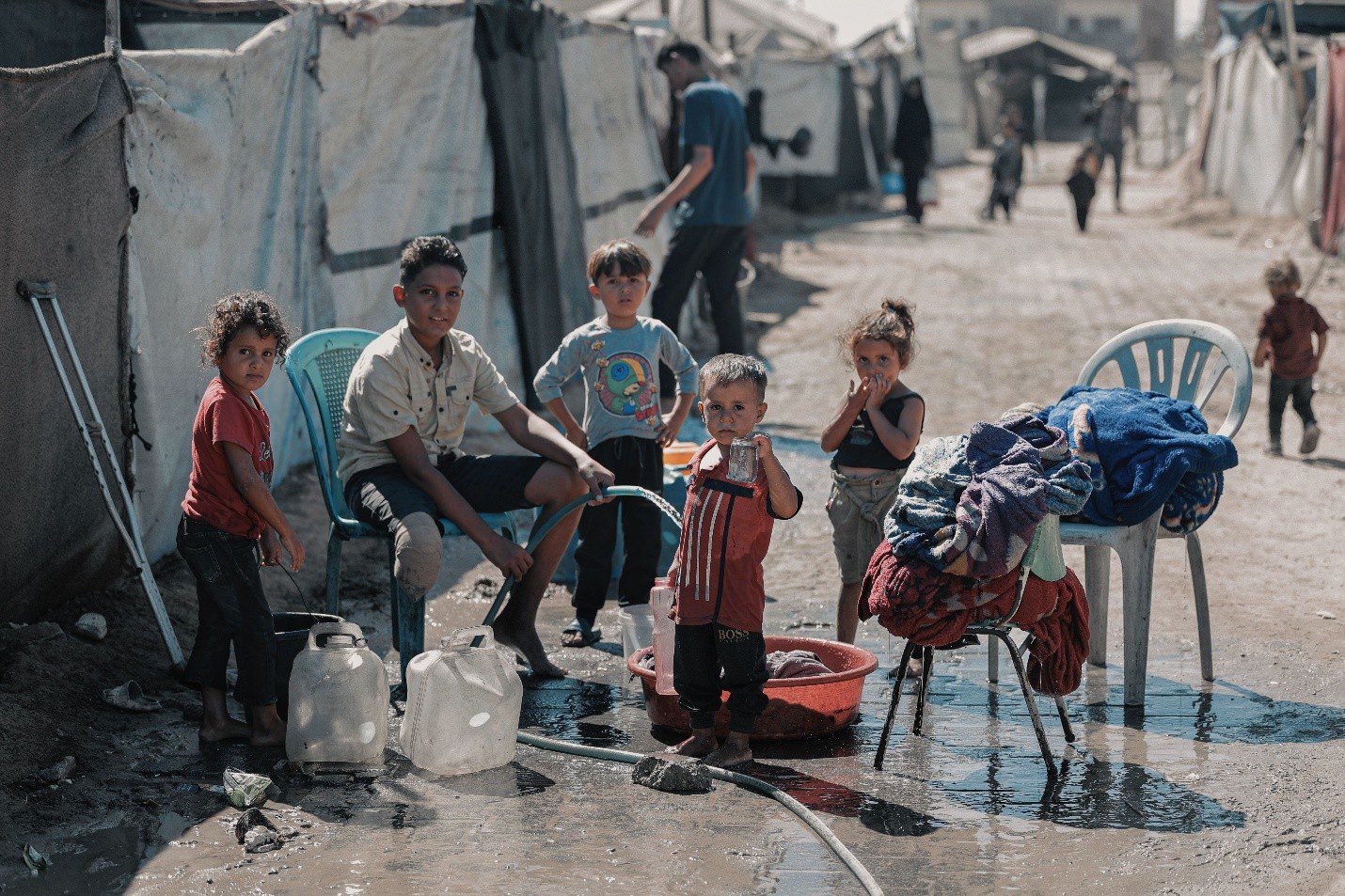
Most people never imagine having to calculate whether there will be enough food for everyone at the table or enough water to last another day. During times of conflict, these questions become part of daily life. Scarcity in war changes priorities in ways that are difficult to understand from the outside.
People begin measuring every resource carefully because there is no guarantee another opportunity will come. A meal may be divided into smaller portions. A bottle of water may need to serve an entire family. Medicine is saved until someone becomes critically ill. Every decision carries consequences because scarcity of resources leaves little room for mistakes.
In Grass of the Earth, the family’s daily routine revolves around finding food, waiting for water, and making impossible choices with very little to work with. These moments reveal how survival slowly replaces the ordinary rhythm of life.
Why Shelter And Safety Mean More Than Four Walls
A house is often seen as a place of comfort. During conflict, however, even the meaning of home changes. Shelter and safety become temporary rather than permanent. Families move from one location to another, hoping each new place will offer protection for just one more night.
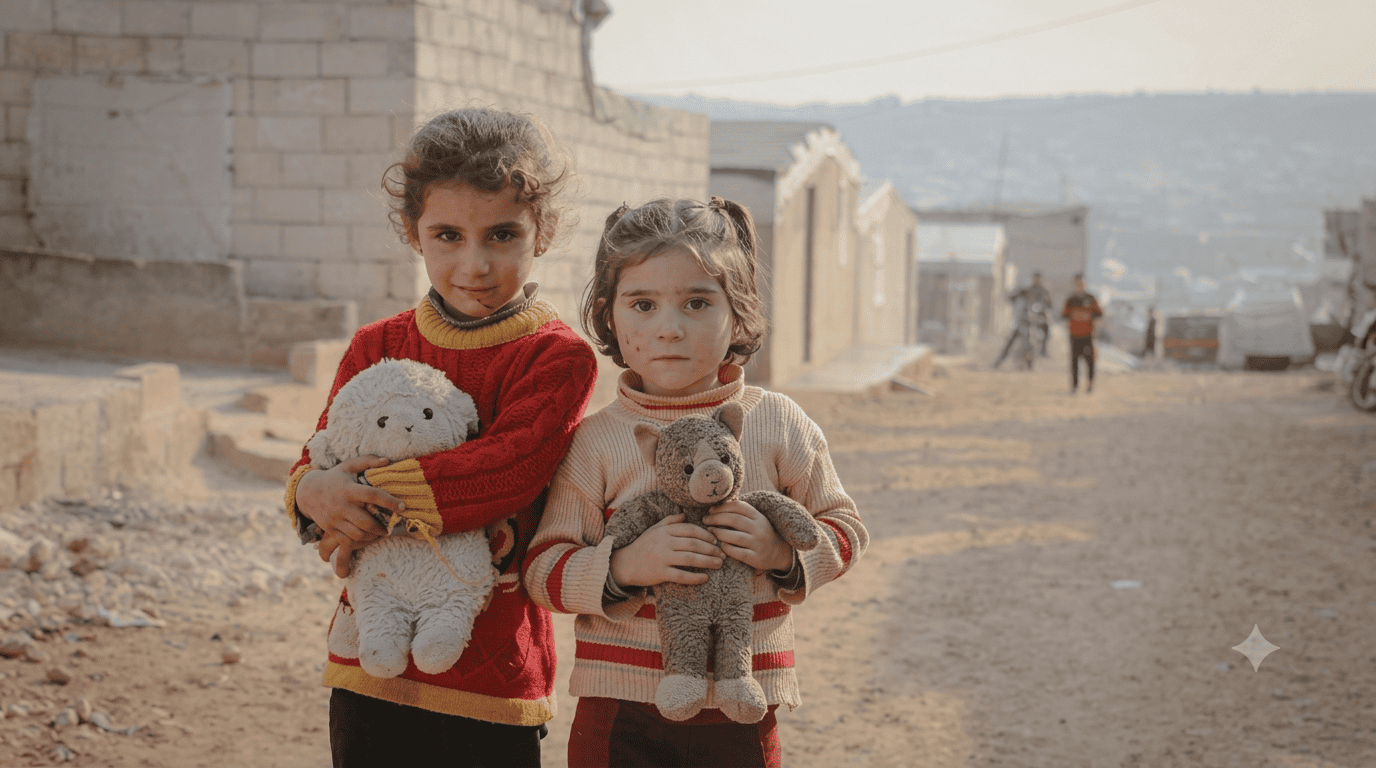
Living with constant uncertainty affects more than physical security. It changes how families think, sleep, and interact with one another. Parents try to remain calm for their children while quietly carrying their own fears. Children adapt to unfamiliar surroundings much faster than they should ever have to.
The book captures these moments through the experiences of a family searching for safety while trying to preserve some sense of normal life. Even simple acts like sharing food, comforting a child, or finding a place to rest become meaningful victories against overwhelming uncertainty.
What Happens To Decision Making Under Constant Pressure
Stress affects everyone, but prolonged danger changes the way people think. Decision-making becomes faster, more cautious, and often more emotional because there is rarely enough time or information to make the perfect choice.
Families must constantly ask difficult questions. Should they stay where they are or move somewhere else? Should they save supplies for tomorrow or use them today? Should they risk searching for food or remain where they feel slightly safer? None of these decisions feel certain, yet delaying them may create even greater risks.
Grass of the Earth reminds readers that behind every difficult choice is a family trying to protect one another. The story shows that survival is not simply about staying alive. It is also about preserving love, dignity, and hope even when every decision feels impossibly heavy.
Can One Book Help You Understand Life In Gaza
If this topic has made you think more deeply about what survival truly means, Grass of the Earth by John Acree offers a powerful and personal perspective. Rather than focusing only on events, it follows one family’s journey through uncertainty, showing how love, resilience, and humanity continue to exist even when resources are scarce and every choice matters.
Conclusion
When people live with constant uncertainty, survival becomes much more than finding food or water. It becomes a daily balance between hope and fear, courage and exhaustion, and protecting loved ones with whatever remains. The realities of survival in Gaza– scarcity in war, scarcity of resources, shelter and safety, and difficult decision-making- remind us that behind every crisis are ordinary families doing everything they can to endure one more day. Stories like these encourage compassion by showing the human side of choices no one should ever have to make.