
War is often discussed in terms of numbers. The number of lives lost, the number of homes destroyed, the number of families forced to leave everything behind.
But numbers can only take us so far. They can inform us, but they do not always help us feel.
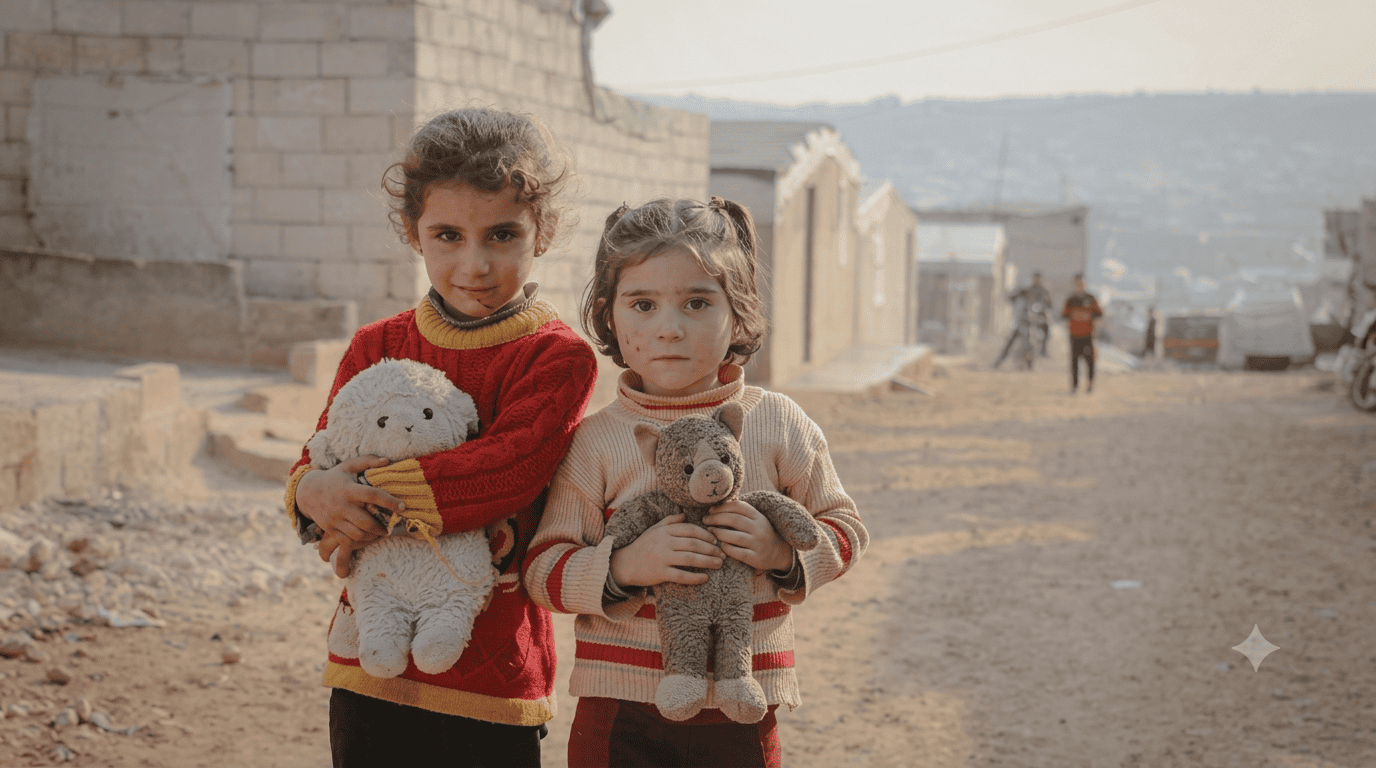
What stays with us more deeply is often a single voice, a single memory, a single family trying to make it through one more day while the world watches from a distance.
That is why stories matter so much, especially when we speak about the war in Palestine. Personal narratives pull us out of headlines and bring us closer to the human reality inside them.
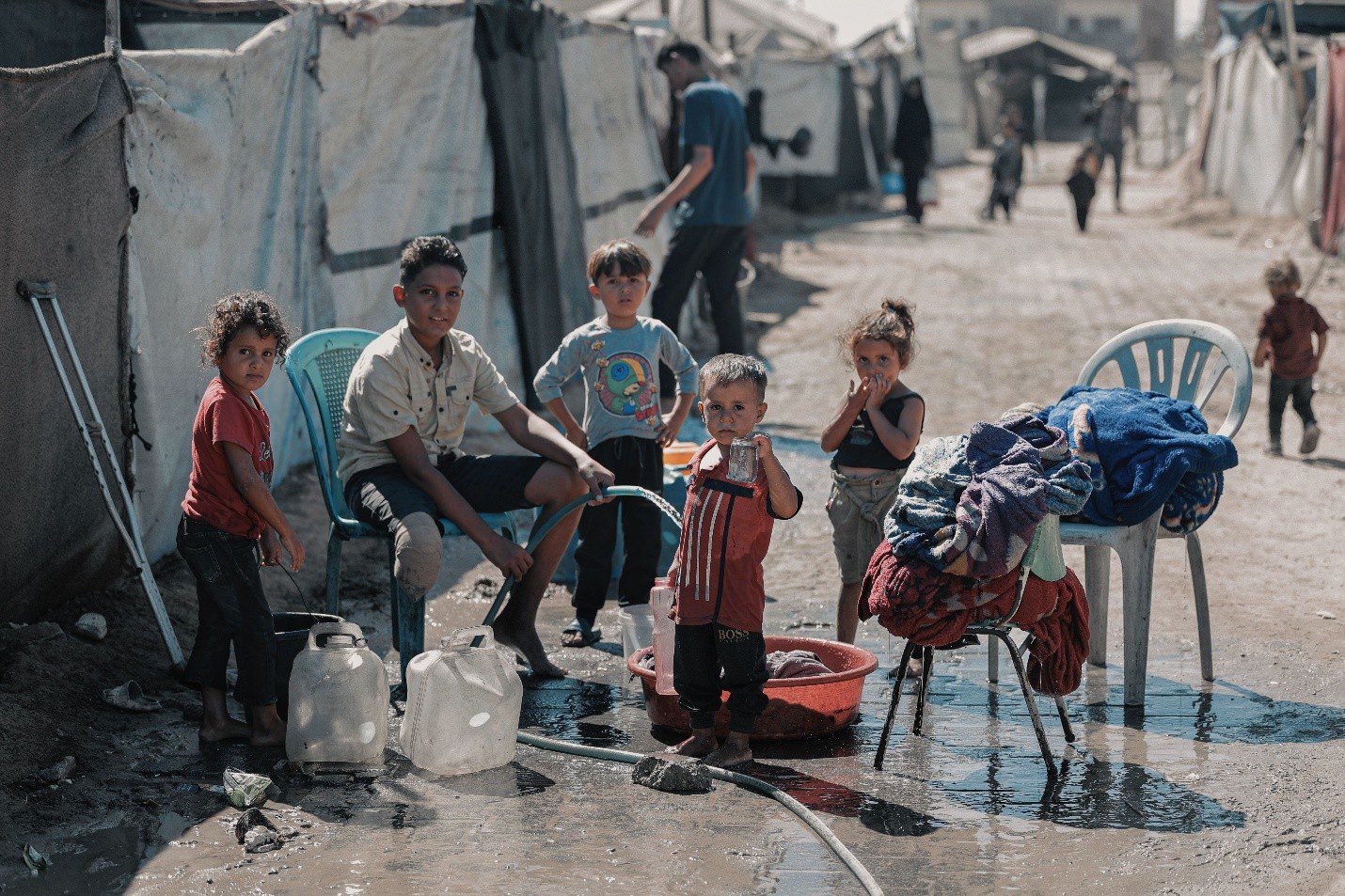
They place us beside people who are grieving, enduring, hoping, and trying to protect the people they love. They remind us that behind every report is a life still being lived, a mother waiting for news, a child asking for water, a father trying to keep fear from showing on his face.
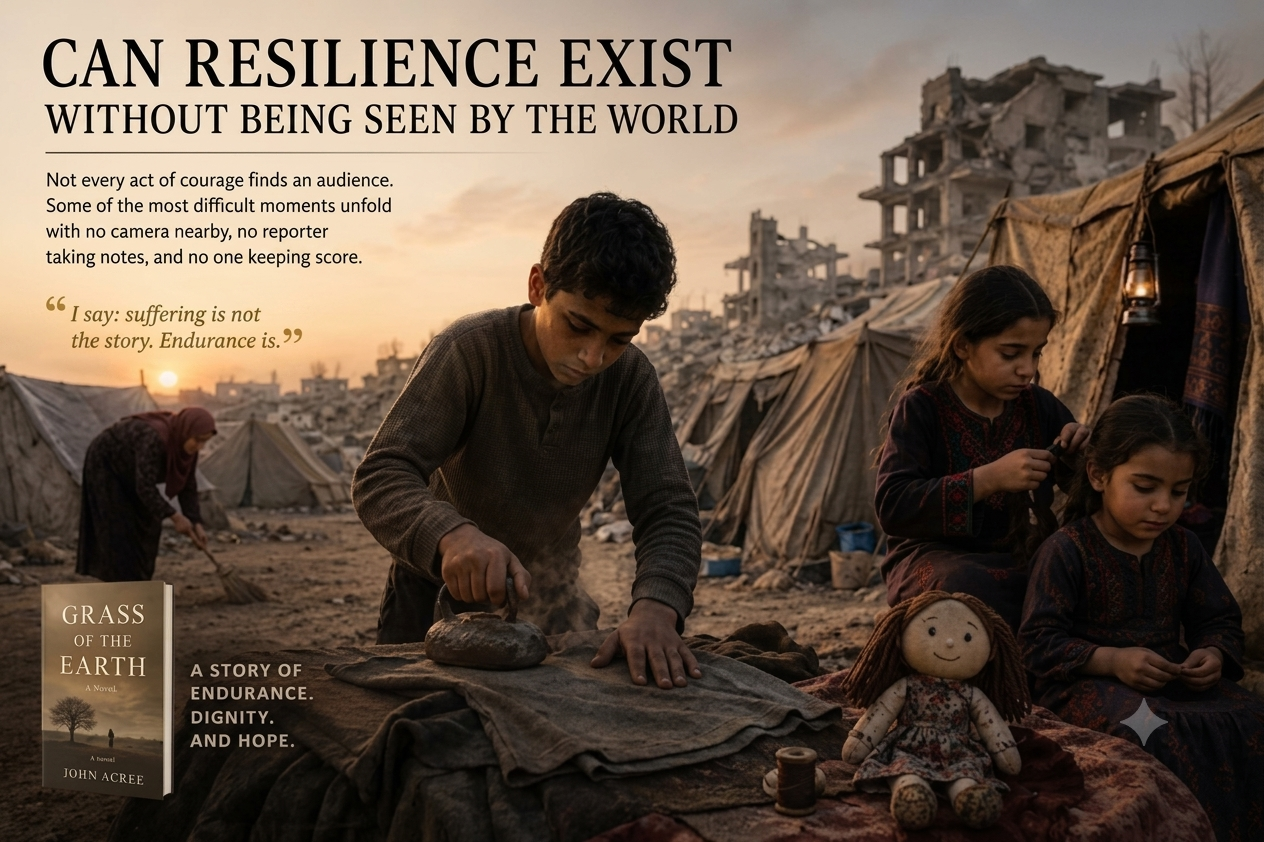
This is part of what makes Grass of the Earth such a moving read. Rather than keeping the reader at the level of public debate, it brings us into the lived reality of survival in Gaza and the emotional weight carried by ordinary people under extraordinary suffering. It invites us to look beyond the language of war and to notice the people still trying to live, love, and remember who they are inside it.
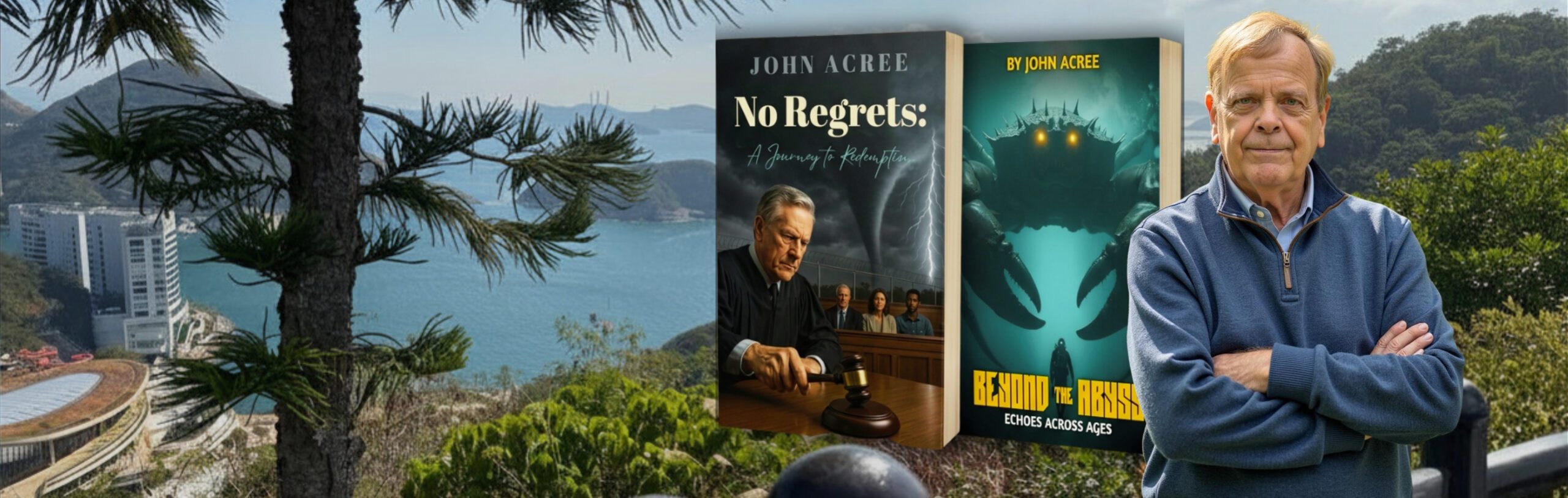
John Acree is an award-winning novelist, veteran journalist, and world traveler whose writing bridges suspense, historical truth, and deep spiritual questions.
War can feel far away when we only encounter it through brief updates and passing images. We hear words like conflict, casualties, displacement, and crisis, and while those words are important, they can also create distance. They describe devastation without always revealing what it feels like to wake up inside it.
That is where stories from Palestine have such power. They draw us into the spaces where war is no longer abstract. We begin to see the crowded shelter, the empty kitchen, the child trying to sleep through the sound of fear. We begin to understand that war is not only something that happens on the news. It happens in homes, in hospitals, in schools, and in the quiet moments when people are trying to comfort one another with almost nothing left to give.
This is where Grass of the Earth makes such an impact. Through Omar and his family, the book shows life in Palestine not as an abstract issue, but as a daily struggle shaped by hunger, displacement, memory, and responsibility. Omar is not presented as a symbol. He is a son caring for his mother, a husband trying to hold his family together, and a father carrying the burden of survival in Gaza one hour at a time. His story helps the reader understand that war is not only fought on battlefields. It is also fought in hospitals, stairwells, shelters, and in the hearts of people trying not to lose themselves.
Empathy rarely begins with facts alone. It grows when we start to recognize another person’s pain as something real, intimate, and deeply human. Storytelling does that in a way few other things can. It gives suffering a face, a rhythm, and a voice. It allows us to move from simply knowing that something terrible has happened to feeling the emotional truth of what it means to live through it.
When people ask, how do Palestinians feel about the war, the answer cannot be reduced to a single emotion. No community living through devastation can be captured in one sentence. There is grief, fear, anger, numbness, exhaustion, and heartbreak. There is also tenderness, resilience, and the instinct to keep caring for one another even when there is almost nothing left. The emotional truth of war is layered, and personal narratives help us hold that complexity with more honesty.
The book not only shows the destruction around Omar. It shows the emotional world within him and within the people he loves. His mother’s pain, his wife’s quiet strength, his child’s vulnerability, and the voices of neighbors around him all make the suffering feel personal rather than distant. These characters are not there simply to show pain. They reveal humanity in its most fragile and most courageous form.
So much of the public conversation around war is built around arguments, politics, and opposing narratives. Those things shape how the world responds, but they can also become so loud that they drown out the people actually living through the consequences. In the middle of debates over power, responsibility, and history, human voices can disappear.
Personal stories resist that erasure. They remind us that war is not only a matter of strategy or headlines. It is also the loss of ordinary routines, the breaking of families, the fear of not knowing whether your loved ones are safe, and the ache of trying to hold onto yourself when everything around you is collapsing. Stories help restore scale. They remind us that every conflict is made up of individual lives, each carrying its own memories, relationships, and wounds.
In Grass of the Earth, Omar does more than survive. He remembers. He records. He listens. He carries the voices of others with him because he understands how easily suffering can be reduced to numbers if no one preserves the names, the moments, and the emotions inside it. The people around him matter just as much in shaping this truth. His sister teaching children, his father holding onto faith, the families trying to create care and order out of chaos all show that life in Palestine cannot be understood through destruction alone. It must also be understood through the people who keep insisting on their humanity, even when war tries to strip it away.
If you want to understand war through the eyes of those living it, read Grass of the Earth
If you are drawn to stories that reveal the human side of conflict with honesty, tenderness, and emotional depth, Grass of the Earth by John Acree is a book worth discovering. It does not ask the reader to turn away from pain, but it never forgets the dignity, love, and resilience that persist within it.
Through Omar and the people around him, the book offers a deeply personal window into survival in Gaza, the emotional cost of displacement, and the enduring humanity of those living through war in Palestine. It is the kind of story that lingers because it reminds us that behind every conflict are people who still love, still grieve, still remember, and still hope.
Stories from Palestine can change how we see war because they bring us back to what war does to real people. They move us beyond headlines and force us to sit with the emotional truth of losing safety, routine, home, and peace. They remind us that war is never only about borders or politics. It is about the people who wake up inside fear and still try to make breakfast, comfort a child, care for an elderly parent, or find one more reason to keep going.
Most of all, these stories deepen empathy. They help us understand that the people living through war are not distant figures in a news cycle. They are parents, children, teachers, caretakers, neighbors, and witnesses. They are people carrying heartbreak and humanity at once. And sometimes, one honest story can do what no headline ever could. It can make us pause long enough to truly see.