You can study human nature in books, or you can walk into a classroom. Nothing reveals the human heart faster.
Throughout my career, I have taught toddlers who communicated only through crayons and tears. Similarly, I guided teenagers who hid their intelligence behind indifference. In addition, I taught students in China who memorized textbooks, though no one had ever asked them what they believed.
Consequently, every classroom became a small laboratory of hope, fear, pride, shame, and resilience.
What Students Truly Need
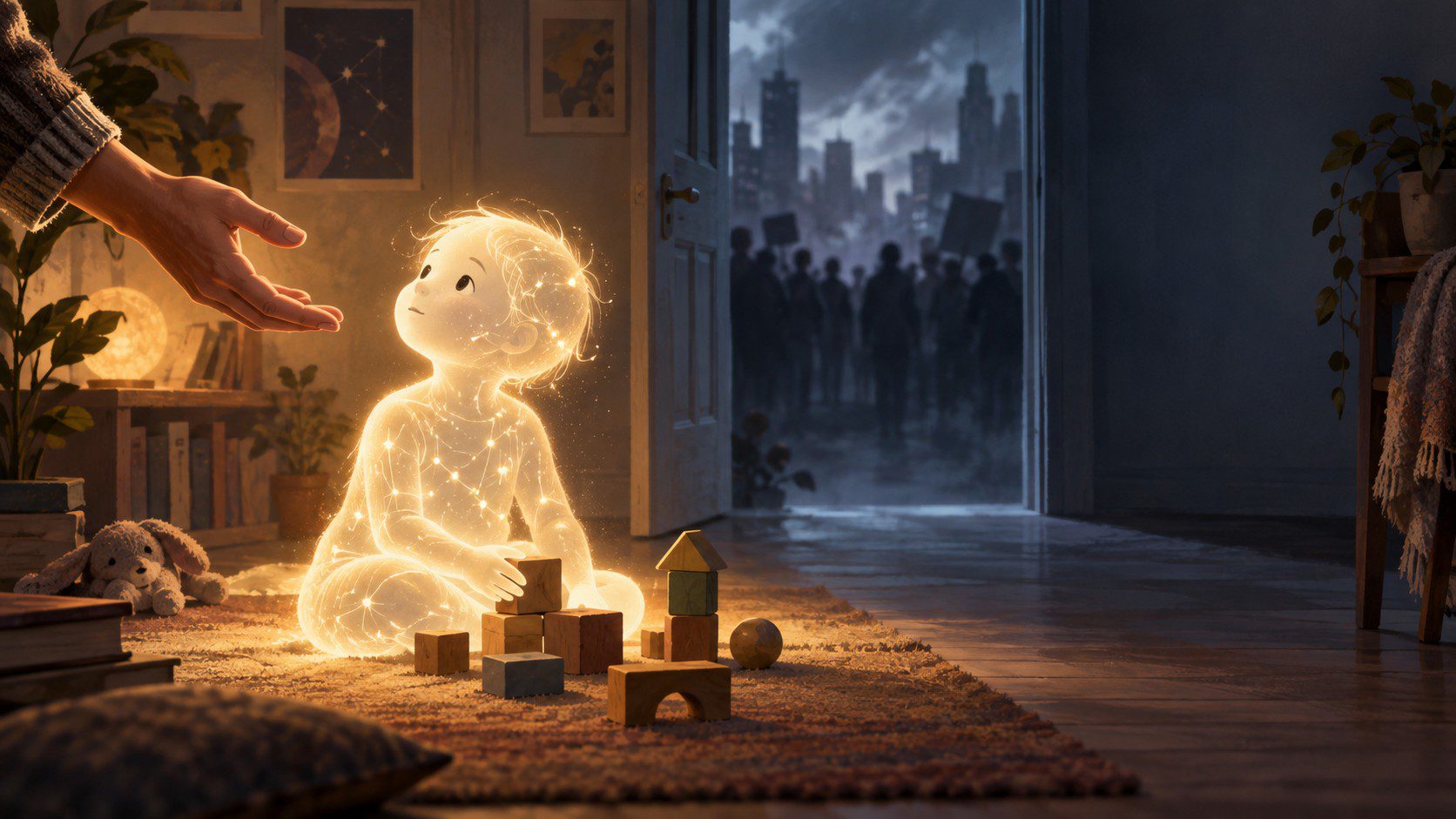
One key lesson became clear quickly: people want to be seen. They do not want grading or categorization. Above all, they want genuine recognition.
Students rarely remember lectures. Instead, they remember whether you noticed them and whether you believed they meant more than a test score.
In China, I watched students collapse over their desks from exhaustion because a rigid system equated worth with performance. Meanwhile, in America, I saw students collapse under different pressures like identity, instability, and poverty.
Although these classrooms existed in different countries, the students shared the same fragile core.
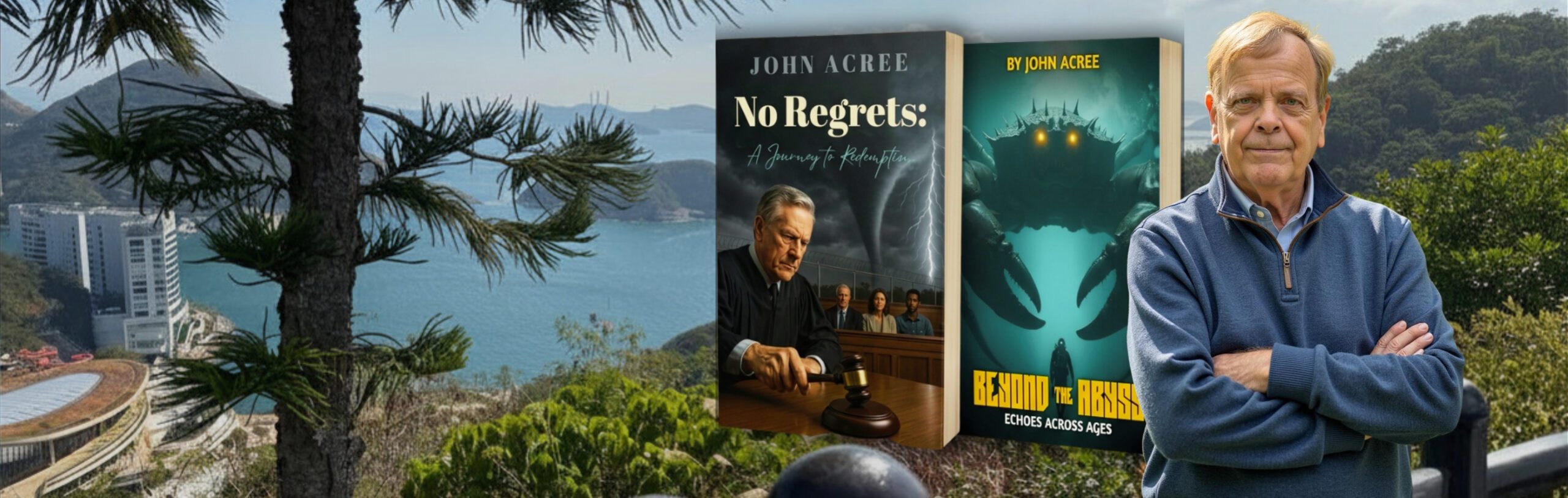
John Acree is an award-winning novelist, veteran journalist, and world traveler whose writing bridges suspense, historical truth, and deep spiritual questions.
Lessons Learned from Teaching
Human beings are not machines; rather, we need understanding.
Teaching taught me that discipline without dignity creates obedience while killing curiosity. Furthermore, praise without honesty breeds insecurity, and authority without compassion creates fear.
However, I also learned that laughter serves as a universal language. Discouragement and hope operate in the exact same way.
I watched students fail exams and still show up the next day. Likewise, I watched others succeed while still believing they lacked worth. Many children carried adult burdens on small shoulders.
Therefore, I realized that intelligence does not define human nature. Instead, endurance and the quiet decision to try again define us.

How the Classroom Shapes Writing
This deep understanding eventually found its way into my writing. Because of these experiences, my characters are no longer simple heroes or villains. Instead, they feel tired, conflicted, and afraid—capable of kindness and cruelty in the same breath.
Ultimately, my characters mirror students, teachers, and all of us.
Teaching stripped away my illusions about control and replaced them with respect for effort. You cannot force growth; however, you can create space for it. That lesson remains the most valuable education I ever received.
Explore More Stories
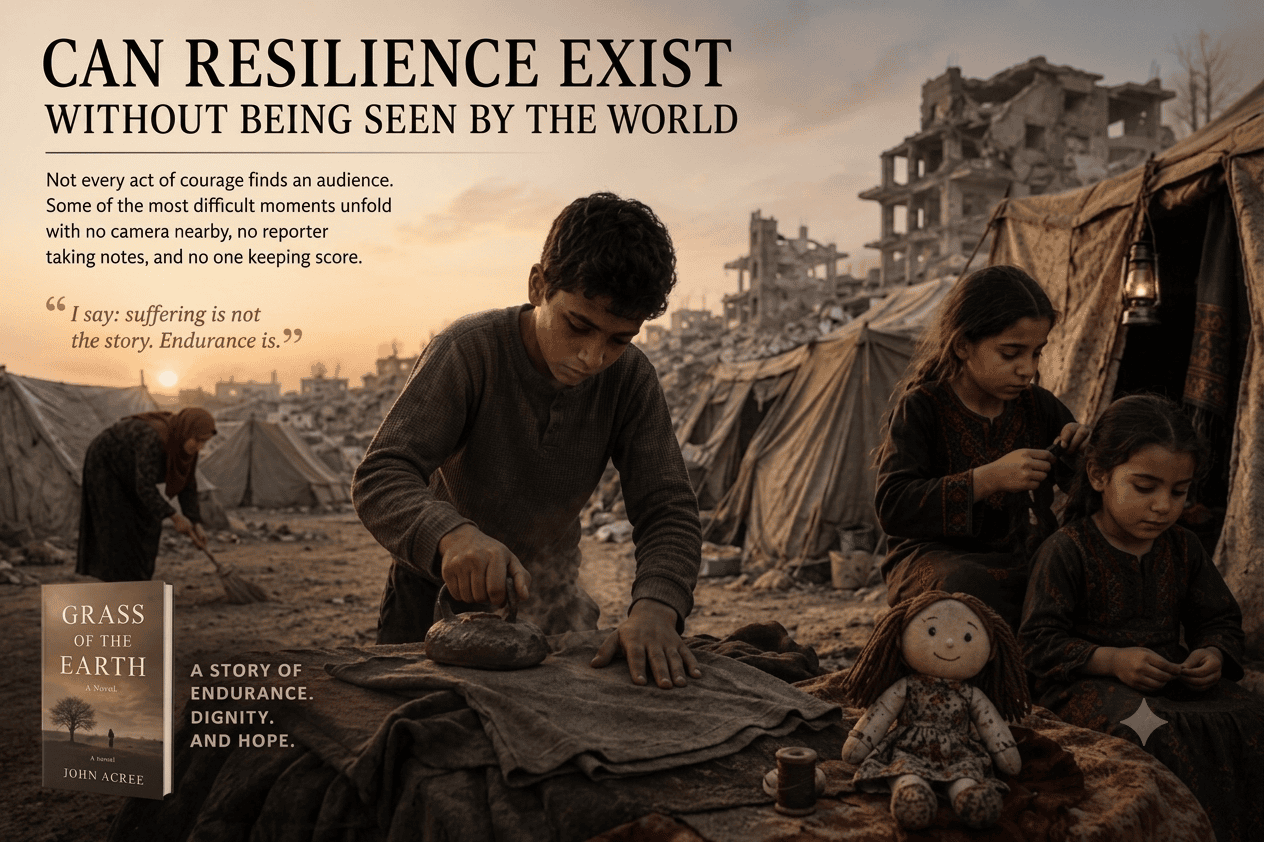
Years in the classroom shaped many of my stories. If you want to read more, you can explore them at JohnAcreeBooks.com.