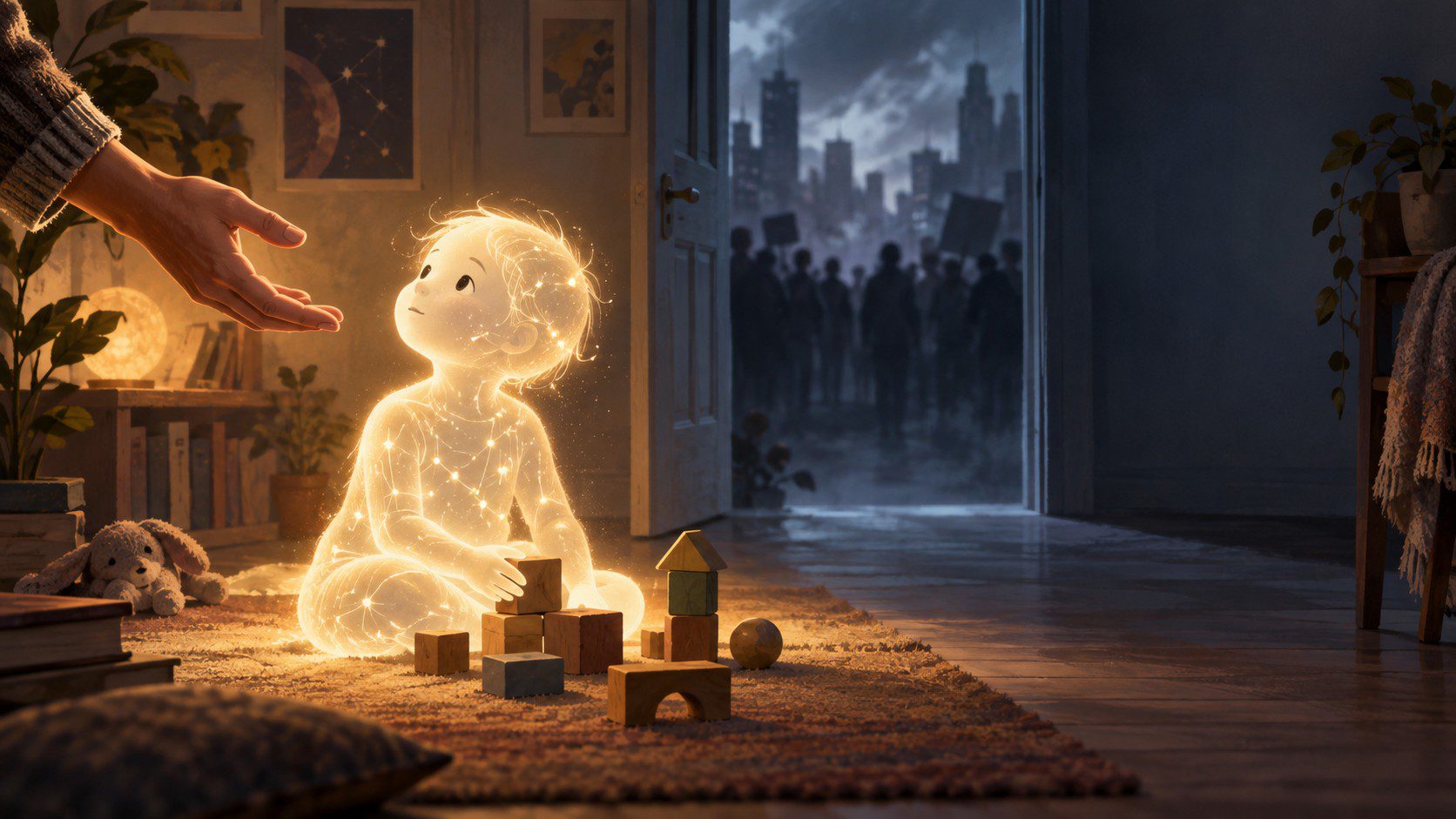
Children should measure life by birthdays, friendships, and dreams of tomorrow. They need laughter in playgrounds, bedtime stories, and the comfort of safety. However, in conflict zones, fear, uncertainty, and loss quickly replace these simple moments.
War affects all of society, yet it leaves its deepest mark on children. Adults often remember life before conflict. In contrast, children in war zones grow up knowing only instability. Their experiences shape a worldview that no child should ever carry.
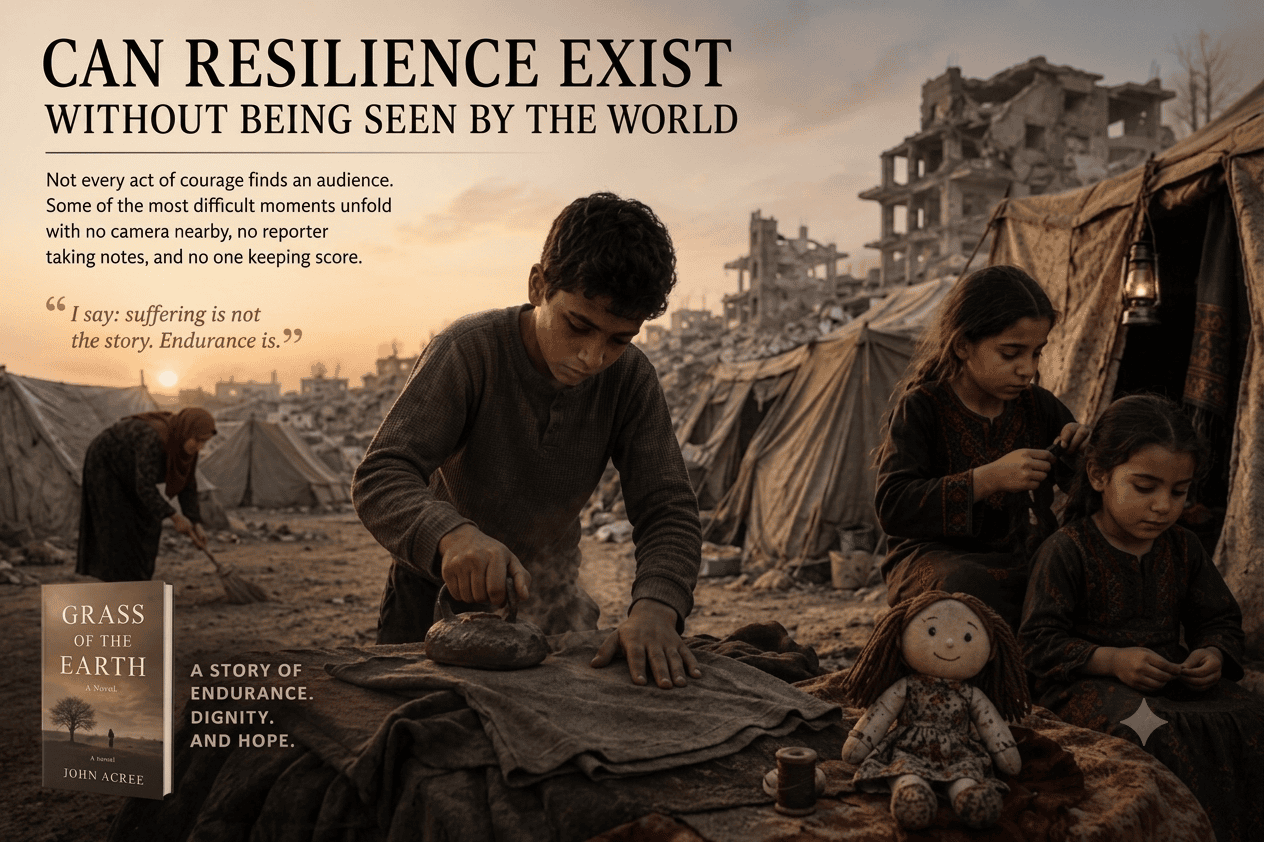
Grass of the Earth tells one family’s true survival story in Gaza. It offers a personal look at how conflict impacts ordinary people. Through real experiences, the book highlights families trying to protect their children’s innocence amidst unimaginable hardship.
How War Changes Childhood Forever
The greatest loss during conflict is childhood itself. Communities cannot easily rebuild or repair this loss once peace returns.
Daily routines disappear for young survivors. War destroys schools and homes, transforming familiar neighborhoods into dangerous places. Consequently, children learn to spot danger instead of discovering new hobbies or making happy memories.
Emotional scars persist long after the fighting stops. Many children face fear, anxiety, nightmares, and trouble trusting others. Some become quiet, while others react with anger or constant worry. This trauma shapes their relationships and emotional well-being for years.
Grass of the Earth reflects these realities through a family focused on protecting loved ones rather than politics.
John Acree is an award-winning novelist, veteran journalist, and world traveler whose writing bridges suspense, historical truth, and deep spiritual questions.
Why Emotional Wounds Last Longer Than Physical Ones
Medical care can heal physical injuries over time. In contrast, emotional wounds are far more complex.
Children rely on stability to feel secure. When explosions, displacement, and loss become routine, young minds remain on constant alert. As a result, children struggle to concentrate, maintain basic routines, or hope for a better tomorrow.
For this reason, discussions about war must go beyond basic survival. True recovery requires more than rebuilding homes or reopening schools. Caregivers must help children process fear, rebuild trust, and restore a sense of security.
Stories like Grass of the Earth show that healing starts when we acknowledge these painful experiences.
Lessons From the Children of Gaza
The resilience of children in Gaza continues to inspire people worldwide. Despite severe hardship, many keep studying, caring for siblings, sharing food, and finding hope.
However, we must never confuse resilience with an absence of suffering. Children adapt to endure hardship, not because trauma leaves them untouched. A smile in tough conditions exists alongside painful memories.
Recognizing this truth shifts the focus from simple statistics to human lives. Every child deserves safety, education, love, and a childhood free from fear.

Discover the Story Behind These Real Experiences
If you want to understand the lasting impact of conflict on families, Grass of the Earth offers a powerful, personal perspective.
The book follows one family’s daily struggle to survive in Gaza, uncovering the human reality behind news headlines. This moving story of resilience, love, loss, and hope encourages readers to connect with the people behind the conflict.
Every Child Deserves More Than Survival
Children should never have to learn survival skills before enjoying their youth. Conflict leaves visible destruction, but its deepest scars remain hidden in young hearts and minds.
True community recovery requires healing these emotional wounds. Every child deserves to grow up safely, dream without fear, and remember childhood for its joy rather than its pain.